
When Stiff or Sensitive Areas Start to Change How You Move
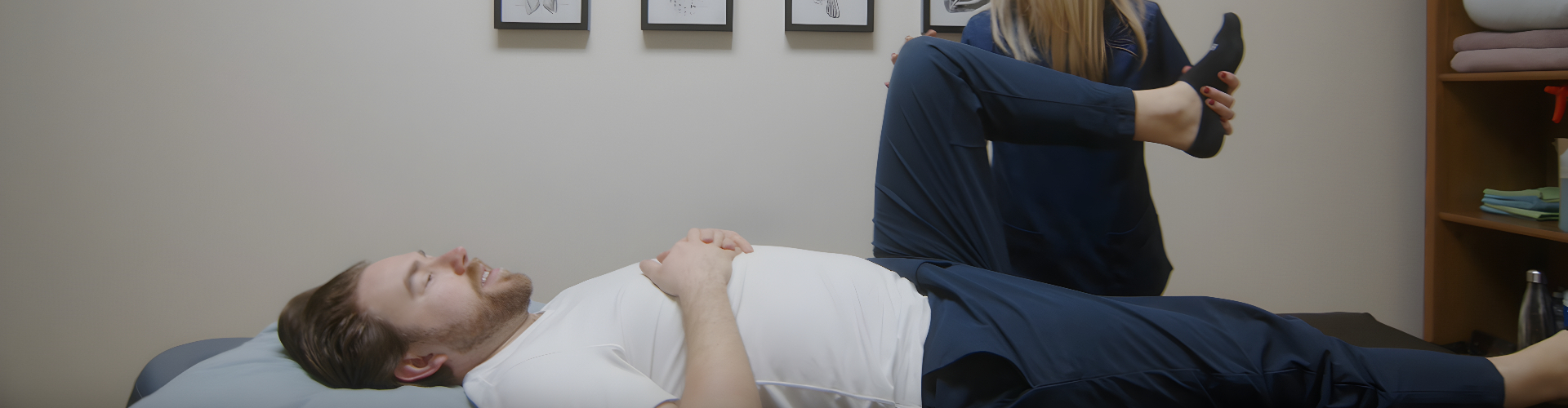
There are moments when your body gives you small signals that something needs attention. You might reach for a jacket and feel a tight pull across your shoulder. A simple twist might create a surprising tug in your mid-back. Some individuals notice that a muscle stays firm long after activity, while others feel a spot that reacts every time they turn a certain way. These signs often show that tissues are not gliding or responding the way they should. Manual therapy in Hamilton, ON at Regent Health Centre helps people find smoother, more coordinated motion by giving their tissues hands-on support.
Why Manual Therapy Matters for Stiff or Overworked Areas
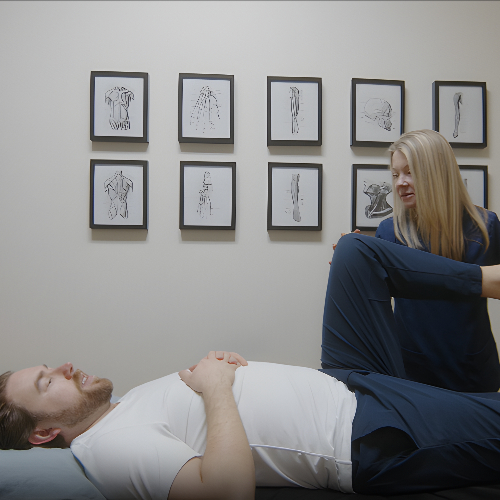
Manual therapy uses skilled, targeted pressure and gentle movement to influence how muscles, joints, and connective tissues behave. A common turning point happens when people realize that certain positions feel harder to maintain or when a familiar movement feels blocked. Over time, these patterns can create imbalanced effort across the body. Manual therapy helps release restrictive areas so your body can move with more natural coordination.
When tissues respond to this hands-on approach, circulation improves, guarded muscles begin to soften, and joints gain more freedom. This creates a better foundation for strengthening, stretching and movement-based treatment.
When Manual Therapy May Be a Helpful Choice
Manual therapy can support many goals. Some individuals describe:
- A localized area that feels “stuck” during activity
- Muscle tightness that returns after certain tasks
- A pulling sensation that reduces confidence in movement
- A limited ability to rotate or bend
- Reduced fluidity during daily transitions
- Lingering strain after repetitive work or exercise
- A sensation that part of the body is doing too much to compensate
- Reduced flexibility in specific directions
These patterns often guide your clinician toward areas that need skilled hands-on care.
How Manual Therapy Works Inside the Body
Manual therapy influences the way tissues slide, stretch, and communicate. When a clinician applies precise pressure, rhythm, or joint movement, it helps the body reorganize how muscles share load. Restricted tissues often begin to release as circulation improves and the nervous system interprets movement more accurately.
This hands-on approach also prepares your body for the next steps of care. As tissues move more freely, strengthening exercises become more effective, posture improves and coordinated movement becomes easier to maintain.
Benefits of Manual Therapy
People often notice meaningful changes as their body responds to manual therapy. These may include:
- Increased freedom in restricted regions
- A more balanced sense of posture
- Improved movement during daily tasks
- Smoother transitions between movements
- Reduced overuse of surrounding muscles
- A lighter, less guarded feeling in previously tense areas
- Better responsiveness during exercise
- A clearer understanding of how certain habits affect movement
These improvements often build gradually as your body adapts to consistent, skilled care.
How Manual Therapy Fits Into Your Care at Regent Health Centre
Manual therapy at Regent Health Centre begins with a detailed look at how your body moves throughout your day. Your clinician identifies which areas need hands-on support and which movements need reinforcement through exercise or posture correction.
Depending on your needs, your practitioner may collaborate with:
- Massage therapists, to support tissue release and relaxation
- Physiotherapists, to build strength and coordination once mobility improves
- Chiropractors, when joint mechanics influence how tissues respond
- Osteopathic practitioners, to address alignment or soft-tissue patterns that affect movement
- Movement-based clinicians, including Yoga therapy, Pilates, Tai Chi or Qigong, to help you develop controlled, balanced patterns as you progress
This shared approach ensures your hands-on care becomes part of a coordinated plan that supports your long-term progress.
Why Manual Therapy at Regent Health Centre Feels Reassuring
People often appreciate the calm, attentive approach they receive during manual therapy sessions. Your clinician checks in frequently, adapts treatment as your tissues respond, and explains how each technique supports your goals. The environment feels steady and respectful, offering space for you to reconnect with how your body moves. Many individuals leave feeling more aware, more capable and more confident in their ability to maintain healthy patterns.
Frequently Asked Questions About Manual Therapy
Does manual therapy hurt?
How long does it take to notice changes?
Can manual therapy be combined with other treatments?