
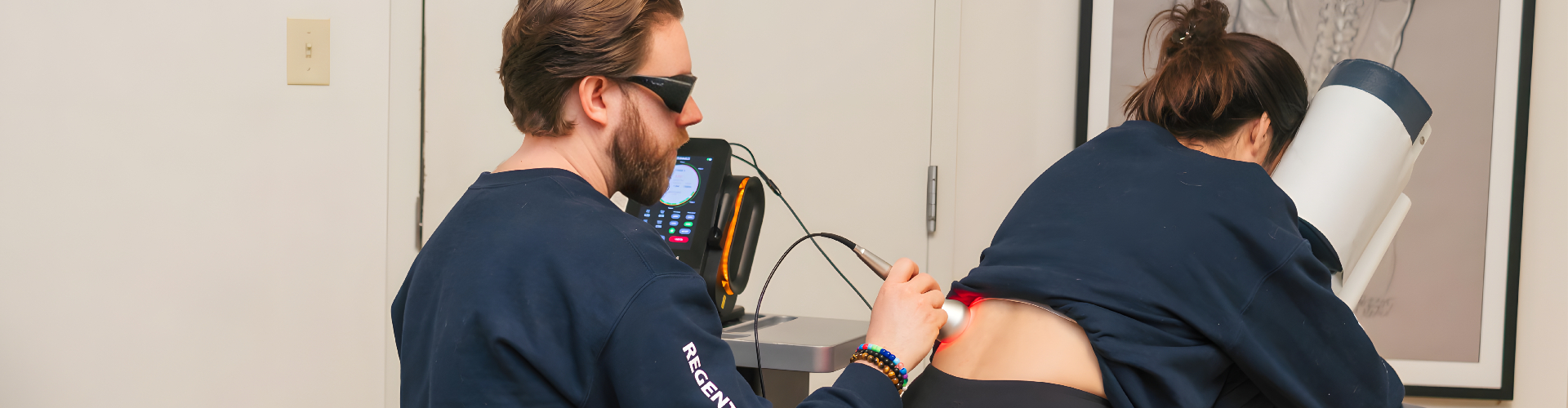
When Your Body Sends a Signal That Something Needs Attention
A sports injury can catch you off guard. One moment, your body feels strong and responsive, and the next, a movement that’s usually second nature suddenly stops you in your tracks. Some athletes describe a sharp pull while accelerating. Others recall a subtle shift that grows into swelling or weakness over the next few hours. You might even feel fine during the activity, only to wake up the next day unable to move the way you normally do.
These symptoms can all signal that your body is asking for support. The clinicians at Regent Health Centre work with active individuals with sports injuries in Hamilton, ON to help restore coordination, strength and confidence as you return to the activities you enjoy.
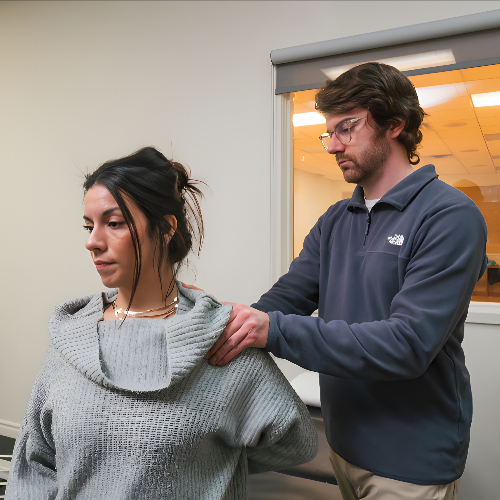
Why Sports Injuries Develop and How They Influence Performance
A sports injury can emerge from many different scenarios. A quick pivot, an awkward landing, a repetitive drill, or a demanding training schedule can challenge tissues in ways they are not ready for. When muscles or joints become overloaded, your body often changes how it moves to protect the sensitive area. A common turning point happens when athletes notice their stride feels different, their power drops unexpectedly, or a movement that once felt natural starts to require extra effort.
Without guidance, these altered movement patterns can become habits that slow recovery. When a structured plan supports healing, the body can regain rhythm, strength and efficiency more effectively.
How Sports Injuries Often Show Up
Athletes describe sports-related problems in many ways. Some individuals notice:
- A sudden stop in motion during a sprint or jump
- Swelling that changes how the joint responds
- A decline in power, agility, or acceleration
- Fatigue that appears faster than expected
- Sharp discomfort during repetitive movements
- Difficulty generating force through the legs or arms
- A sense that the body is “working around” a specific area
- Nervousness when attempting sport-specific drills
These patterns can offer clues about the tissues involved and the type of support that will help.
Sports-Specific Injury Care
Different sports place different demands on the body. Repetitive motions, speed, impact, rotation, and load can all contribute to injury patterns that feel unique to how you train or compete. At Regent Health Centre, care is informed by the way your sport challenges your body, not just by where pain shows up.
Whether injuries develop gradually or occur suddenly, understanding the movement demands of your sport helps guide recovery and return-to-play decisions.
Golf Injuries
Tennis Injuries
Pickleball Injuries
Running Injuries
Cycling Injuries
Hockey Injuries
Gymnastics Injuries
Football Injuries
Basketball Injuries
Volleyball Injuries
Curling Injuries
Skiing Injuries
Martial Arts Injuries
How the Team at Regent Health Centre Helps You Rebuild Strength and Athletic Control
Recovery is not only about reducing pain. It is about teaching your body to move well under load again. The clinicians at Regent Health Centre use movement-based and hands-on therapies in Hamilton, ON to guide athletes of all levels toward balanced mechanics and renewed confidence.
Depending on your needs, your care may include:
- Physiotherapy, which can help rebuild power, improve control during quick transitions, and correct movement patterns that place unnecessary stress on the injured area.
- Massage therapy, used to release tight regions, support circulation, and prepare the body for progressive strengthening.
- Chiropractic care, which can improve joint motion through gentle adjustments, mobilization, or Pro-Adjuster techniques that support smoother mechanics.
- Acupuncture, often selected to reduce local irritation and help calm reactive tissues.
- Osteopathy, which can support balanced alignment and fluid motion across areas compensating for the injury.
- Movement practices including Yoga therapy, Pilates, Tai Chi and Qigong, which help athletes reconnect with balance, posture and mindful control.
- Education on load management, warm-up strategies, and training habits that protect long-term performance.
Wellness sessions or Studio Classes at Regent Health Centre can supplement your training by helping you develop steady, coordinated movement in a calm, guided environment. These classes focus on posture, breath control and mindful sequencing, which can support recovery and help prevent reinjury.
Your team helps you reintroduce activity with intention so you return to your sport feeling prepared, not pressured.
What Athletes Appreciate About Care at Regent Health Centre
Athletes often describe a sense of partnership when working with the team at Regent Health Centre. Instead of guessing what comes next, you learn how to recognize helpful signs, understand your body’s responses, and move forward with a plan built around your goals. Sessions feel calm yet focused, and each clinician contributes their perspective so your path back to activity is clear and achievable. This collaborative approach helps you reconnect with your strength and return to sport with a renewed sense of readiness.
Frequently Asked Questions About Sports Injury Care
Do I need imaging before starting care?
Can I train while I am recovering?
How long will recovery take?