
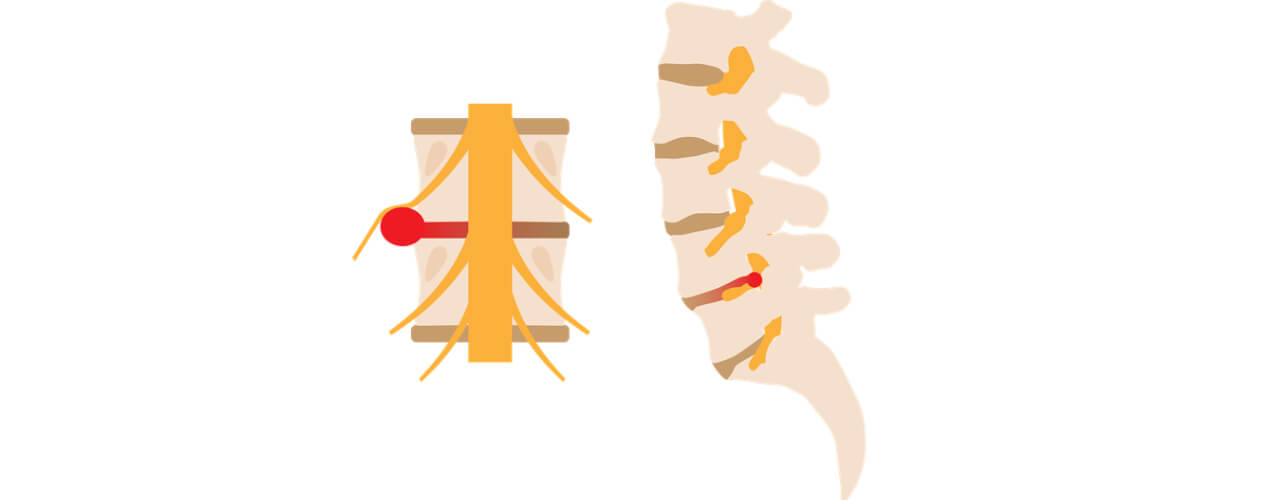
Dan (not his real name), an active 42-year-old who enjoyed weekend hikes and regular workouts, never thought much about his occasional back stiffness. But when a dull ache turned into sharp pain radiating down his leg, daily activities became a struggle. Sitting at work was unbearable, bending forward felt impossible, and even short walks left him limping. Frustrated and concerned, David sought answers—and his search led him to Regent Health Centre for herniated disc treatment.
Bulging Disc vs. Herniated Disc: What’s the Real Difference?
Many patients like Dan assume all disc issues are the same, but there’s a key difference:
- A bulging disc happens when the outer layer of a spinal disc weakens and pushes outward, but the disc remains intact. It can cause discomfort but may not always press on nerves.
- A herniated disc occurs when the outer layer tears, allowing the soft inner material to leak out. This often presses on nearby nerves, causing intense pain, numbness, or weakness.
Dan’s MRI revealed a herniated disc in his lower back, which was compressing his sciatic nerve—a common source of leg pain. His physiotherapist at Regent Health Centre explained that while surgery wasn’t necessary, targeted herniated disc treatment would be essential for recovery.
Getting to the Root of the Pain: Dan’s Evaluation
Before starting treatment, Dan underwent a comprehensive physiotherapy evaluation to pinpoint the cause of his discomfort. His physiotherapist performed:
- Postural and movement assessments to identify misalignment and compensations.
- Strength and flexibility testing to determine muscle imbalances.
- Nerve function testing to assess how the disc herniation was affecting sensation and mobility.
This thorough evaluation allowed the team at Regent Health Centre to develop a personalized physiotherapy plan focused on pain relief, mobility restoration, and long-term spinal health.
Step-by-Step Recovery: The Plan That Helped Dan Heal
Step 1: Controlling Pain Without Resting Too Much
Dan’s first priority was pain relief—but prolonged rest wasn’t the answer. Instead, his physiotherapist introduced:
- Gentle manual therapy to relieve muscle tension and improve spinal mobility.
- Pain-free movement exercises to maintain circulation without worsening symptoms.
- Guidance on posture and daily activity modifications to reduce pressure on the herniated disc.
Within two weeks, Dan noticed less pain when sitting and improved sleep quality.
Step 2: Building Strength Without Making It Worse
Once his pain was under control, Dan focused on stabilizing his spine and strengthening key muscles. His physiotherapist introduced:
- Core activation exercises to reduce strain on his lower back.
- Postural retraining drills to correct movement habits that contributed to his injury.
- Mobility exercises for his hips and spine to prevent stiffness.
With consistency, Dan regained strength and confidence in his movements, making daily activities easier.
Step 3: Preparing for a More Comfortable Future
The final stage of Dan’s treatment focused on building long-term resilience to prevent future injuries. His physiotherapy plan included:
- Progressive resistance training to ensure his muscles could support his spine.
- Gait and movement retraining to correct faulty mechanics.
- Education on workplace ergonomics and safe lifting techniques.
By the end of his herniated disc treatment program, Dan was back to hiking, working comfortably, and feeling stronger than ever.
The Results: From Pain to Progress
Dan’s recovery wasn’t just about getting rid of pain—it was about regaining control over his life. Through structured physiotherapy, tailored guidance, and a commitment to recovery, he:
- Reduced pain significantly within the first month.
- Regained flexibility and strength in his lower back and legs.
- Learned movement techniques to prevent future injuries.
Don’t Let Back Pain Hold You Back – Take the First Step Today
Herniated discs don’t have to be a lifelong problem. With structured physiotherapy and guided herniated disc treatment, recovery is possible.
If you’re experiencing back pain, leg numbness, or difficulty moving, book an appointment at Regent Health Centre today. Let our physiotherapy team help you get back to doing what you love.